It’s been the biggest shake-up in education. Ever. And this time it hasn’t come from Ofsted, the government, from your multi-academy trust or senior leadership team, but from a tiny virus. It has posed the biggest challenge to the teaching profession of all time, and we are all in it together.
Change is always difficult. It’s tempting to focus on the negatives – aren’t we always rather good at that? – and to pick apart our differences of approach – rather good at that too – but just look at how far we’ve come since those early days of lockdown.
In a recent course I was co-leading, we worked with middle leaders in schools to identify what the main concerns of their teams (and themselves!) might be:
- Health fears for themselves or loved ones
- Exhaustion after teaching remotely and home-schooling their own children
- Anxiety about the practicalities of teaching in school from September
- Missing the students and worrying about identifying and closing the learning gap
- Coping with the new technology and novel pedagogy of remote and blended learning
Much of the job of subject leaders will focus around managing the practicalities, curriculum, assessment – but what of leadership?
There are many different leadership styles, and many different lists of leadership styles. We all have our own style and adapt it to the situation as needed.
For the return to school in September, and to help address those concerns of our team members, it would be good to adopt an authoritative but friendly style.
1. Be authoritative
Your team will be looking to you for clarity of vision and consistent communication of your message. You’ll need to strike a balance between reassurance and caution, encouraging those who are anxious and steadying those who might be more confident.
2. But be kind
Take time to listen to your team members carefully. You know them, but cannot assume you’ll know how they are feeling after this long period of lockdown. And maybe there are new members of your team, trainees, NQTs, support staff. It’s doubly hard because break times are likely to be staggered so there won’t be the usual informal chats over coffee so plan other ways to reach out for a friendly catch-up.
3. Equip your team
Make sure that everybody has the tools they need to do their job: hardware and training, adjusted schemes of work and assessment schedules. Plan your CPD around this.
4. Connect with others
Triangulate with other middle leaders for support, especially those with similar challenges to yours. For example, if you lead on a practical subject such as science, check in with your art and DT colleagues.
5. Be flexible
We’ve learned through this crisis that the situation is continuously changing and our plans have to adapt accordingly. People react in different ways, so while we can lead from the front, others may choose alternative paths and different speeds. Be ready to modify your plans as necessary.
6. Zoom out
Take time out regularly to review the big picture and get some perspective of space and time. There is much to cope with and not everything can be accomplished, so prioritise what’s important and don’t beat yourself up if you can’t manage everything in the first term.
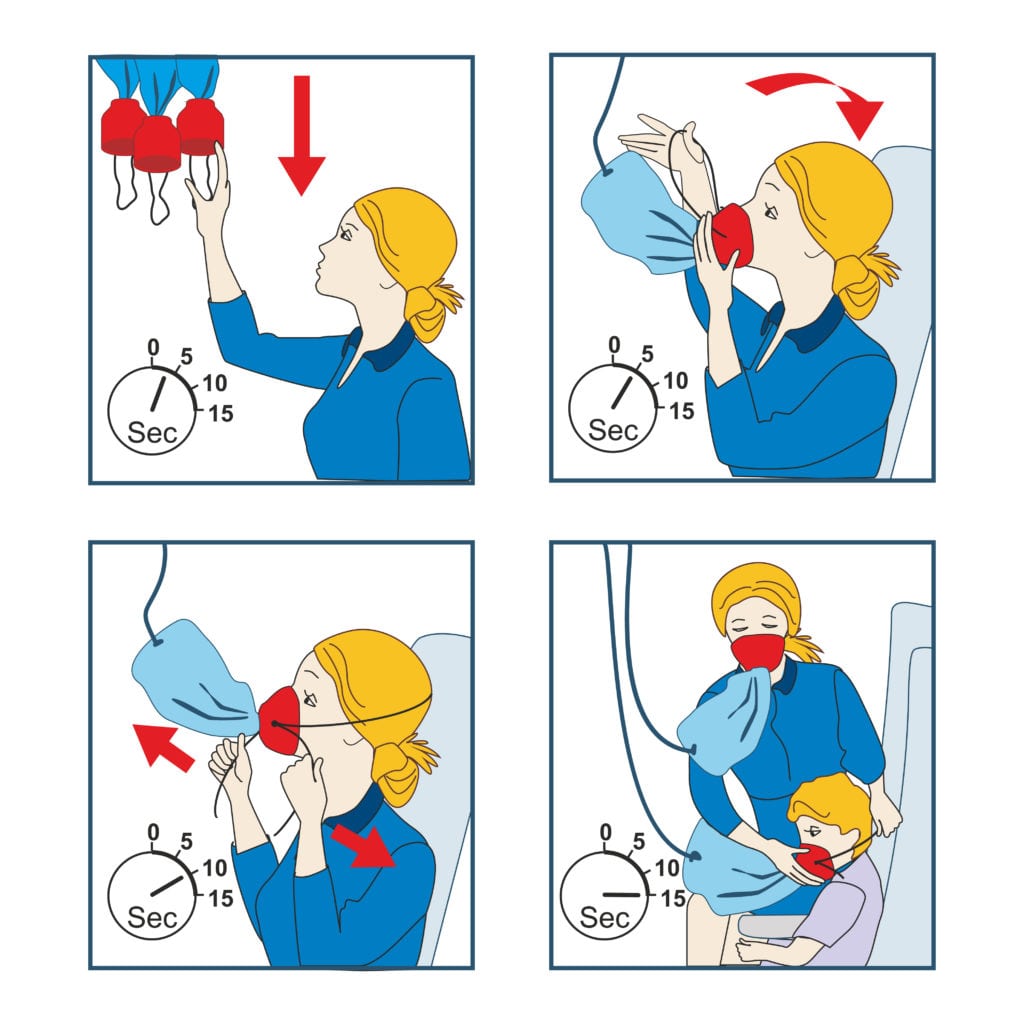
7. First fit your own oxygen mask before helping others
What’s most important is your own well-being. You cannot support your team members if you are not in a good place yourself. So if this is an area you know you’ve neglected in the past, be sure to put it front and centre for September. Start by ensuring you switch off for some time over the summer, so you are rested and recharged for next term.
For more middle leader support or mentoring, do get in touch.
You’ve got this! Good luck.